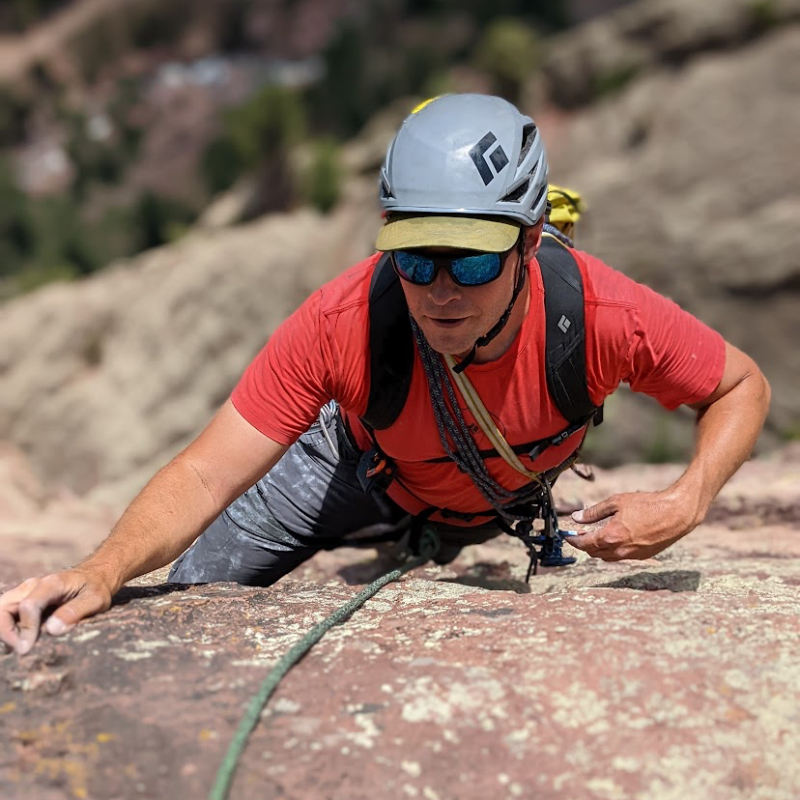
Brand: Black Diamond
Category: Climbing Protection
Recommended by Peter Thomas, Guide — Golden, CO
Highlights: cost effective, lightweight
The Camalot™ Ultralight by Black Diamond is a cutting-edge climbing protection device designed for adventurers who prioritize weight savings without compromising strength. With its innovative design and materials, this cam offers unparalleled performance for fast-paced ascents and technical climbs. 1. 15% lighter than traditional Camalot models, enhancing portability for climbers. 2. Sculpted lobes reduce weight while maintaining robust strength and reliability. 3. Dyneema cord replaces traditional cable, providing a lightweight yet durable connection. 4. Double-axle design allows for an expanded placement range, accommodating various crack sizes. 5. Color-coded for quick identification, ensuring efficient gear selection during climbs. 6. Engineered for optimal performance in both sport and trad climbing scenarios. 7. Tested for reliability in extreme conditions, making it suitable for diverse climbing environments. The Camalot™ Ultralight is ideal for climbers engaged in fast-and-light missions, alpine ascents, and multi-pitch routes where every ounce counts. It excels in rocky terrains and variable weather conditions, making it a perfect choice for both seasoned climbers and ambitious novices. Whether you're tackling a challenging sport route or navigating a technical trad climb, this cam provides the essential protection you need to push your limits safely.
Price: $119.95
- Who it's for
- Climbers who prioritize weight savings on long approaches, big wall days, or trips involving travel, and have the budget for a premium cam. Hosts consistently recommend the standard C4s as the better starting point for those on a tighter budget.
- What people are saying
- Hosts favor these in sizes #1–3 (and up to #4) for the noticeable weight reduction, calling it worth the extra cost. The trade-offs are clear and agreed upon: higher price and shorter usable lifespan than the standard C4s.
- Worth noting
- One host flags that sizes #0.75 and smaller have a stem large enough to make placement cumbersome, so the ultralight versions are less practical in those smaller sizes. Notes cover sizes .4–4, with a .4–2 range cited as sufficient for most mixed and alpine routes.
Peter Thomas's review
The BD ultralight cams have become my favorite in the larger sizes, and are what I use in #1-3 most often. The increased price and shorter useful life make them less attractive as a starter set, where I would recommend the standard C4s instead.
Recommended by Peter Thomas, Guide
Frequently asked questions
Who is the Camalot™ Ultralight for?
Climbers who prioritize weight savings on long approaches, big wall days, or trips involving travel, and have the budget for a premium cam. Hosts consistently recommend the standard C4s as the better starting point for those on a tighter budget.
What do experts say about the Camalot™ Ultralight?
Hosts favor these in sizes #1–3 (and up to #4) for the noticeable weight reduction, calling it worth the extra cost. The trade-offs are clear and agreed upon: higher price and shorter usable lifespan than the standard C4s.
What should you know before buying the Camalot™ Ultralight?
One host flags that sizes #0.75 and smaller have a stem large enough to make placement cumbersome, so the ultralight versions are less practical in those smaller sizes. Notes cover sizes .4–4, with a .4–2 range cited as sufficient for most mixed and alpine routes.
What does Peter Thomas say about the Camalot™ Ultralight?
The BD ultralight cams have become my favorite in the larger sizes, and are what I use in #1-3 most often. The increased price and shorter useful life make them less attractive as a starter set, where I would recommend the standard C4s instead.
Why does Peter Thomas recommend Black Diamond?
Peter Thomas recommends the Black Diamond Camalot™ Ultralight for climbing protection. The BD ultralight cams have become my favorite in the larger sizes, and are what I use in #1-3 most often. The increased price and shorter useful life make them less attractive as a starter set, where I would recommend the standard C4s instead.
Is the Camalot™ Ultralight a good climbing protection?
Yes — Peter Thomas recommends the Camalot™ Ultralight by Black Diamond as their climbing protection pick. The BD ultralight cams have become my favorite in the larger sizes, and are what I use in #1-3 most often. The increased price and shorter useful life make them less attractive as a starter set, where I would recommend the standard C4s instead.
More from Peter Thomas's Trad Climbing
View Peter Thomas's expert gear recommendations on Rendezvu
What other hosts are saying
6 experts recommend the Black Diamond Camalot™ Ultralight.
Carol Viau, AMGA Certified Ski Guide/SPI, PSIA L3 Ski Instructor, Via Ferrata Guide
Ultralight cams come in sizes 1-4. If you have the budget, I recommend springing for it. If your budget is limited, go with the regular cams in the next link I share.
Recommended in Climbing Gear
Ben Lim, AMGA Certified Rock Guide, Assistant Ski Guide, Apprentice Alpine Guide
If you can, treat yourself to the ultralight version of the beloved C4. Stay away from the smaller sizes, #0.75 and smaller. The stem is large enough that they become cumbersome to place.
Recommended in Rock Climbing Essentials
A standard rack goes from 0.4 to #3 (0.4, 0.5, 0.75, 1, 2, 3). Most people also buy a number 4. You can save a little money, add a little weight, and add a longer shelf life by purchasing the Camalot C4's instead of the ultralights but I prefer the ultralights. It's worth it in my opinion. You can feel the difference. I appreciate that lighter weight on trips that involve flying, long approaches, and long days on the wall.
Recommended in Trad Gear
Brad Burns, PCGI Single Pitch Instructor, La Sportiva Athlete
A small rack of ultralight cams from .4-2 covers the protection for most mixed routes. Great cams that are durable and super light.
Recommended in Ice Climbing
Philip Burnett, Weber State University Rental Manager
~4 depending on the alpine objective. I like the .4-1 for most alpine adventures unless I know it'll be wider.
Recommended in Winter Alpine Climbing