Featured Rendezvuers
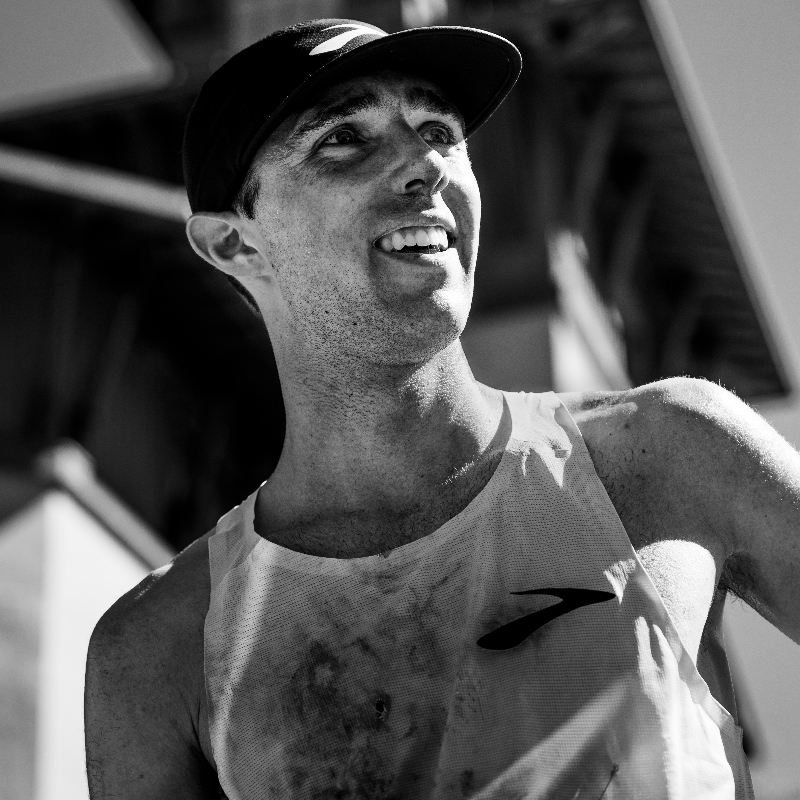
Meikael Beaudoin Rousseau
2x Trail/Mountain National Champion
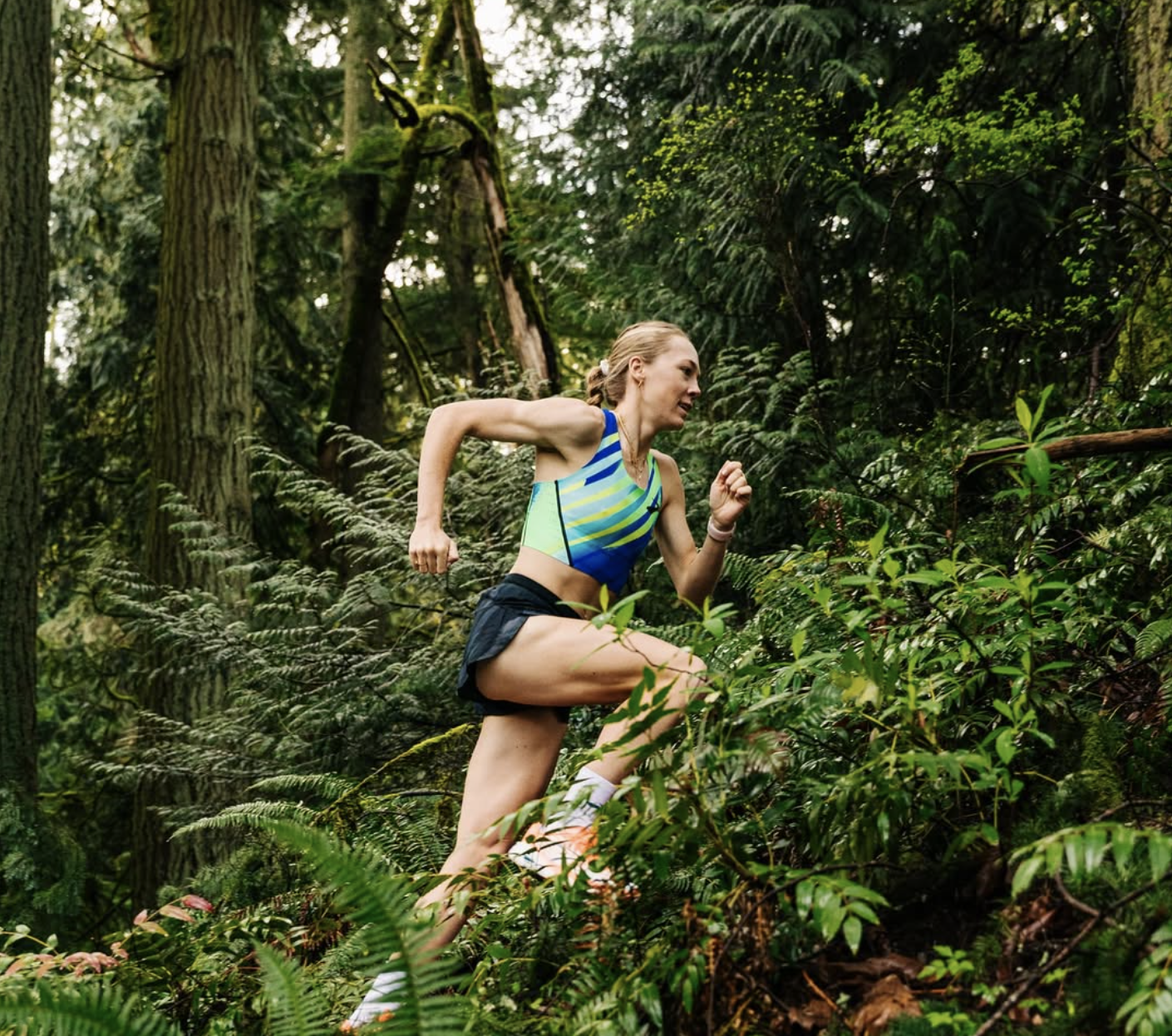
Anna Gibson
2x US Trail Champion, World Medalist
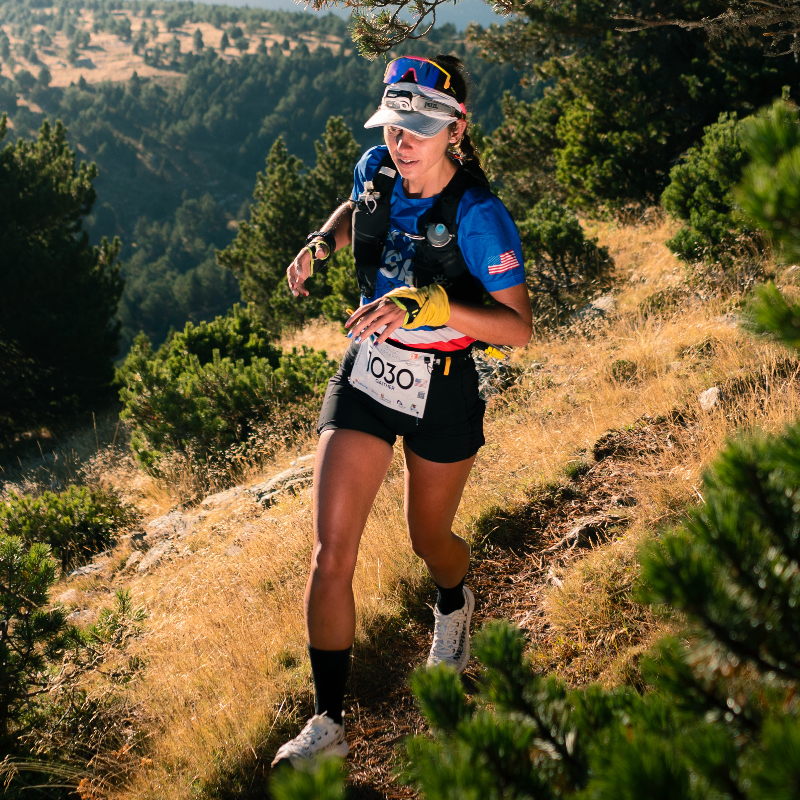
Mercedes Siegle-Gaither
Pro Trail Runner, Merrell
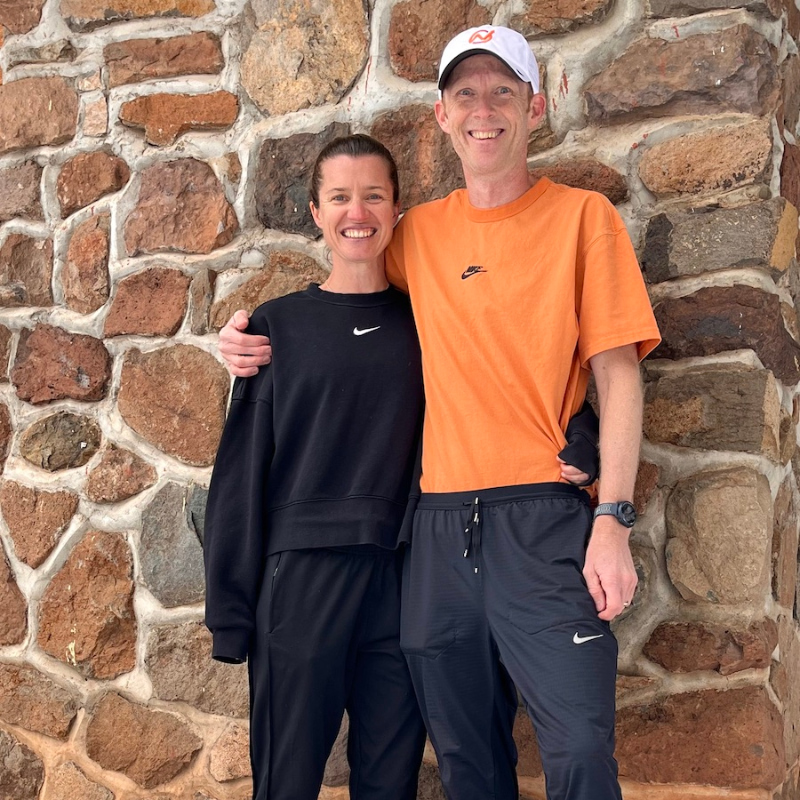
Kim Conley & Drew Wartenburg
Next Best Run, 2x Olympian

Megan Eckert
Pro Ultra Runner, 603mi in 6 Days
Steven Kornhaus
UESCA Certified Coach, 80+ Shoes Tested
Search "best trail running shoes 2026" and the results are largely interchangeable: affiliate-optimized listicles, brand-sponsored buying guides sorted by price tier, and forum threads debating stack height on shoes none of the commenters have actually raced. The signal-to-noise problem is not unique to trail footwear, but it is particularly acute when the wrong shoe shows up at mile 80 of a hundred-miler or at the top of a 3,000-meter vertical kilometer. The question worth asking is not which review site has the highest page authority; it is whose opinion is actually worth something when the terrain gets hard. Rendezvu was built to answer that question by tying gear recommendations directly to the credentials of the person making them. In trail running shoes, the gap between a Rendezvu host's recommendation and a typical web search result has never been more visible.
Six professionals and coaches currently on Rendezvu have documented the specific footwear they compete and train in. Their collective resume includes two Olympic appearances at 5,000 meters, a World Medalist finish at the 2025 Trail Running World Championships, back-to-back US Trail Running Championship titles, a professional contract with Merrell, a six-day world record of 603 miles (pending ratification), and UESCA coaching certification backed by personal testing of more than 80 pairs of shoes. Brooks appears most frequently across their lists, recommended by two athletes whose credentials sit at the top of the sport. Merrell, Nike, Saucony, Mount to Coast, and Salomon each claim at least one professional endorsement. The following is what they actually wear.
Professional Trail & Mountain Runner
California / Eastern Sierras
Professional Multisport Athlete, Olympian
Teton Valley
Brooks Running
No brand earns more professional endorsements on Rendezvu's trail and mountain community than Brooks. Two of the platform's most decorated hosts, Meikael Beaudoin Rousseau and Anna Gibson, have each built their footwear lists around the brand's trail and road racing lineup. Meikael is a 2x Trail and Mountain Running National Champion (Half Marathon 2023, Vertical Kilometer 2025) who competed in cross country and track at Stanford University; he has also set over a dozen FKTs in the Eastern Sierras on routes including the West Ridge of Mount Conness and the Palisade Traverse. Anna is a 2x US Trail Running Champion (Vertical and Classic disciplines), a World Medalist (3rd place at the 2025 World Mountain and Trail Running Championships in Canfranc, Spain), and an Olympic qualifier for the 2026 Milano-Cortina Winter Games through skimo competition. Their independent convergence on the same brand across multiple shoe models is not brand loyalty; it reflects what performs at the front of the field across diverse disciplines and conditions.
Brooks Catamount Agil $149-$180

The Brooks Catamount Agil is the single model that appears independently on both Meikael's and Anna Gibson's Rendezvu lists, making it the closest thing this professional data set has to a consensus trail racing pick. Meikael carries it at $180 alongside a full competition rotation; Anna carries it in her daily drivers list at $149.99. The Catamount Agil is built on a nitrogen-infused midsole and a Matryx upper constructed from a grid of Dyneema fibers, a design that distributes lateral stress across the forefoot during the unpredictable foot strikes of technical mountain terrain. Two national-level athletes independently selecting the same model across different event formats is a signal that standardized review methodology, with its reliance on flat-ground cushioning scores, tends to miss entirely. Anna's pick is also listed at rendezvu.co/anna-gibson.
Brooks Men's Caldera 8 Trail-Running $150
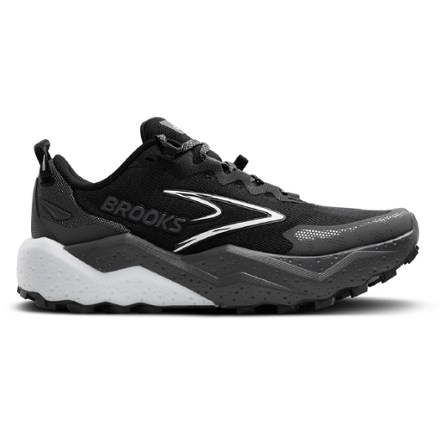
Meikael Beaudoin Rousseau carries the Brooks Men's Caldera 8 as his high-cushion, high-lug option for rough mountain terrain. The Caldera 8 runs on 33mm of stack height with Brooks' DNA Loft v3 foam and a maximum-grip outsole designed for loose scree and technical singletrack. For a runner who sets FKTs on routes like the West Ridge of Mount Conness and the full Palisade Traverse, a shoe with the Caldera's combination of underfoot protection and aggressive traction on loose rock is a deliberate technical selection. The contrast between this and the Catamount Agil in his rotation illustrates the kind of terrain-specific thinking that requires race experience rather than a weekend demo.
Brooks Hyperion Elite 5 $275

At $275, the Brooks Hyperion Elite 5 occupies the race-day carbon slot in Meikael's rotation. The Hyperion Elite 5 uses a full-length carbon fiber plate embedded in a nitrogen-infused SuperDNA foam midsole with a redesigned rocker geometry in its fifth iteration, producing energy return optimized for top-end race paces. For the competitive trail and mountain running community, a 2x national champion listing a $275 road racing shoe reflects the increasingly road-to-trail training cycles that elite mountain runners use to build raw speed before transferring it to vertical and technical race formats.
Brooks Women's Cascadia 19 $150

Anna Gibson lists the Brooks Women's Cascadia 19 as one of her daily drivers at $150. The Cascadia 19 runs on a TrailTack rubber outsole with 3.5mm multi-directional lugs and a BioMoGo DNA midsole calibrated for everyday trail mileage rather than pure race-day use. For a multisport athlete who also trains for skimo and gravel cycling, the Cascadia fills the training workhorse role that a carbon-plated race shoe cannot sustain across hundreds of weekly miles; carrying it alongside the Catamount Agil represents a training-to-racing split that high-level athletes manage by default and that most buying guides never think to explain.
Professional Trail Runner (Merrell)
Skyrunning and Ultra
Next Best Run - Elite Running Coaches
Flagstaff, AZ
Merrell
Mercedes Siegle-Gaither is a professional trail and ultra runner under contract with Merrell. Her competitive record includes an 11th-place finish at the 2024 Skyrunning World Championships 70k, a 7th-place at the 2025 HURT-100, a 6th-place at the 2025 Snowdonia 100-miler, a 2nd-place at the Silver Rush 50-miler, and a 3rd-place at the Broken Arrow Triple Crown. On Rendezvu, she separates her shoe choices into discrete use cases, with a specificity of context that consumer review sites are structurally unable to offer: each model in her list comes attached to the exact race format it was used in rather than a generic quality judgment.
Women's MTL Long Sky 2 Matryx $170

Mercedes notes of the Women's MTL Long Sky 2 Matryx that it is her go-to for mountain running, and she wore it at both the 2025 HURT-100 and the Skyrunning World Championships. That is not a casual endorsement: the HURT-100 is a notoriously technical 100-mile loop on the ridgelines above Honolulu, demanding continuous traction on rooted and rocky singletrack across 24-plus hours of effort. The Long Sky 2 is built on a PWRTRAC outsole with 4mm lugs and features Merrell's Matryx lattice upper, a Dyneema-reinforced grid that reduces upper weight while maintaining structural integrity through lateral scrambles. At $170, it is the performance centerpiece of her racing kit for events requiring both long-distance durability and technical mountain responsiveness.
Women's MTL Skyfire 2 Matryx $131.99

The Women's MTL Skyfire 2 Matryx fills a clearly defined slot in Mercedes's rotation: trail workouts, shorter FKTs, and mountain and skyraces under 20 miles. The separation between the Skyfire 2 and the Long Sky 2 in her kit illustrates something no affiliate-ranked roundup can replicate. These are not two versions of the same shoe at different price points; they are precision tools for different race lengths and effort types, differentiated by a professional who has trained and competed in both. The Skyfire 2 is lighter and more aggressive for shorter fast efforts; the Long Sky 2 carries the structural durability for races measured in hours rather than minutes.
The Performance Footwear Stack: Nike, Adidas, and Saucony
Next Best Run is a coaching service founded by Kim Conley and Drew Wartenburg, based in Flagstaff, Arizona. Kim is a two-time Olympian at 5,000 meters. Drew has coached athletes at every level from high school programs to the Olympic Games. Together, they have curated two footwear lists on Rendezvu covering performance and training shoes they recommend across their athlete base. The shoes on these lists are not aspirational or affiliate-placed; they are the models their coached athletes are actually racing and training in, filtered through the judgment of two professionals who have collectively stood at the start line of more elite distance competitions than most gear reviewers will ever attend.
Nike Alphafly 3

The Nike Alphafly 3 appears on Next Best Run's performance footwear list as their top race-day recommendation. The Alphafly 3 runs on a full-length carbon fiber plate suspended between two layers of ZoomX foam, with three Air Zoom pods in the forefoot producing additional propulsion at toe-off. At major international distance events, the Alphafly family has contributed to records at distances from 5K to the marathon. An Olympic-level coaching team recommending it for competitive athletes carries a provenance that no crowdsourced consumer review can match in terms of actual competitive application.
Nike Vaporfly 4%

The Nike Vaporfly 4% sits alongside the Alphafly on Next Best Run's performance list as the slimmer, lighter racing option. The Vaporfly's carbon plate is set in a single-density ZoomX midsole without the Air Zoom pods, producing a sharper, more direct energy transfer that many distance athletes prefer for events under the half-marathon. Drew Wartenburg listing both the Alphafly and Vaporfly reflects how professional coaching actually works: footwear is matched to the individual athlete's biomechanics and target race distance rather than assigned as a single universal recommendation, which is precisely what most gear roundups fail to acknowledge.
Adidas Adizero Adios Pro 4
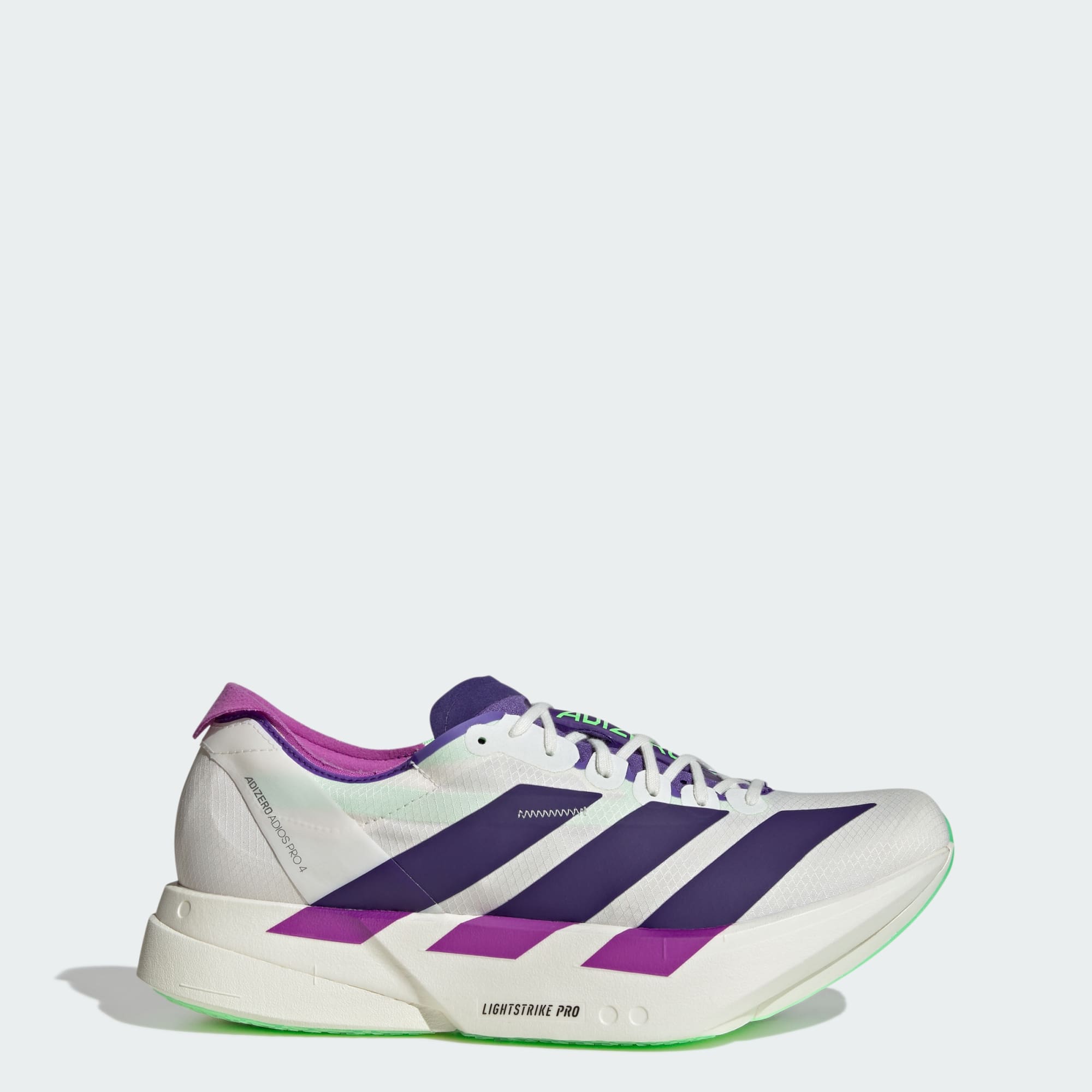
The Adidas Adizero Adios Pro 4 rounds out Next Best Run's performance list as their Adidas alternative. The Adios Pro 4 uses a dual-density Lightstrike Pro midsole with the EnergyRods 2.0 system, five fiberglass-infused rods designed to mimic the function of metatarsal bones and produce a smoother, more efficient toe-off. Carrying all three platforms on their recommended list signals a coaching approach that acknowledges different athletes benefit from different energy-return profiles: a recommendation philosophy defined by athlete outcome rather than brand preference.
Saucony Endorphin Speed 5 Training/Racing

The Saucony Endorphin Speed 5 is Kim Conley's personal training and racing pick. The technical distinction Next Best Run draws is specific: the Endorphin Speed 5 uses a nylon plate rather than a carbon fiber plate, making it a more durable training tool that absorbs higher weekly mileage without the wear concerns that come with carbon-plated race shoes. For a two-time Olympian, a nylon-plated shoe offers enough propulsion for race contexts while also functioning as a daily trainer, a dual role the ultra-stiff carbon platforms cannot responsibly fill across a full training block.
Professional Ultra Runner
603 miles in 6 days (pending ratification)
UESCA Certified Trail & Ultra Running Coach
YouTube: UltraTrailSteven
Mount to Coast
Megan Eckert covers ground at a volume that places her in a category nearly her own. Her current performance benchmark is 603 miles in 6 days (pending ratification), along with a personal best of 92 yards in the Big Backyard Ultra format. Her Rendezvu profile centers entirely on Mount to Coast, a brand built specifically for the demands of ultra-distance running. At the volumes Megan trains and races, a shoe recommendation carries a weight that a standard reviewer cannot access: it has survived hundreds of consecutive hours of use across surface types no laboratory durability test can fully replicate.
Mount to Coast R1 $160

Megan describes the Mount to Coast R1 with the phrase an ultra runner instinctively reaches for: "longevity and durability meets comfort." At $160 and built for road-to-trail transitions, the R1 targets the exact conditions that define six-day races and Backyard Ultras, where terrain shifts every few miles and structural integrity must hold through cumulative fatigue that no short-term shoe test can simulate. A recommendation from a runner who has logged hundreds of miles in a single week is qualitatively different from a rating awarded after two weeks on a tester's regular route.
Mount to Coast H1 $160

The Mount to Coast H1 sits alongside the R1 in Megan's kit as the hybrid-terrain variant in Mount to Coast's lineup. Carrying two distinct models for different terrain phases is standard practice among top ultra finishers; Megan's selection of both the R1 and H1 signals a practical differentiation in surface application rather than redundancy. At six-day race distances, the choice of which shoe to rotate into at each terrain transition is itself a competitive decision.
Mount to Coast T1 Snow Line $180

The Mount to Coast T1 Snow Line completes Megan's three-shoe kit at $180. The Snow Line specification adds weatherproofing and traction calibrated for cold-weather and wet conditions, rounding out a footwear system designed for full-spectrum ultra racing. A professional who has covered 603 miles in 6 days selecting the same brand across all three of her footwear slots is the kind of tested confidence that no two-week press sample can generate.
Salomon
Steven Kornhaus has personally tested more than 80 pairs of running shoes as part of his YouTube channel (UltraTrailSteven) and coaching practice. He holds UESCA certification in Trail and Ultra Running with specializations in injury prevention, has completed over 30 ultramarathons including 5 finishes at 100 miles or beyond, and has won 4 ultras outright. His shoe recommendations carry a specific kind of consumer intelligence: having worn a wider comparative range than virtually any individual reviewer, the models he chooses to highlight carry a signal-to-noise ratio that self-selecting review sites structurally cannot match.
Salomon Aero Glide 3 GRVL
The Salomon Aero Glide 3 GRVL earns one of Steven's more enthusiastic endorsements, specifically for gravel and mixed-surface running. The Aero Glide 3 GRVL uses Salomon's Energy Save midsole with an outsole designed for loose gravel traction, targeting the growing population of runners who transition between paved roads and unpaved fire roads in training environments like Flagstaff, Boulder, and the Eastern Sierras. From a coach who has personally worn 80-plus pairs and has the comparative database to back any claim he makes, the enthusiasm in his note is a meaningful and hard-earned data point.
The comparison between what Rendezvu's professional hosts recommend and what a search engine surfaces on trail running shoes is not a close contest. Generic buying guides operate on sample sizes of days or weeks, on surfaces selected for photographic convenience, and under commercial arrangements that inevitably affect which products reach the top of the list. What six Rendezvu professionals and coaches have documented is structurally different: shoes tested across months and years of actual competition, by athletes whose performance depends on getting footwear decisions right. The Catamount Agil earns two independent professional endorsements from hosts who have never collaborated on the pick. The MTL Long Sky 2 is the shoe a pro Merrell athlete wore at a World Championships. The Endorphin Speed 5 is a two-time Olympian's go-to training tool. The R1 is validated by a runner who has covered 603 miles in a single event. No algorithm generates that level of provenance.
The broader pattern across these six hosts is also worth examining. None of them recommend a single shoe for every purpose. Meika distinguishes between a $150 trail racing shoe and a $275 carbon-plated road racer in his rotation. Mercedes separates a skyrace specialist from a hundred-mile tool, naming the specific races she wore each in. Kim Conley draws a clear line between a nylon plate for training and a carbon plate for racing. Megan Eckert curates three distinct models for three terrain conditions. Steven Kornhaus, having personally worn 80-plus pairs, highlights a gravel-specific platform by name. This is what expert footwear curation actually looks like: context, specificity, and credentials attached to every recommendation. Web roundups deliver rankings. Rendezvu hosts deliver reasons. The former is easier to produce at scale; the latter is what athletes actually need to make good decisions.
Runners who want to follow these athletes, explore their full gear lists, or find recommendations from professionals and coaches across every outdoor discipline can access each host profile directly at rendezvu.co.